From its roots in Mallorca to its current presence in the Spanish dioceses, the Cursillos in Christianity Movement has followed a path of evangelisation, friendship and service to the Church.
The history of the MCC in Spain is one of a gift welcomed and shared by generations of lay people and priests. Its milestones reveal a common driving force: to bring people closer to Christ and to accompany them so that the Gospel may transform their lives and their communities.
The beginnings: a new approach to evangelisation
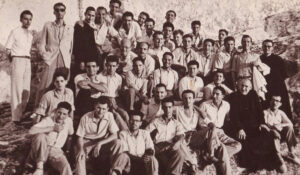 As explained in Fundamental Ideas, third edition, the Movement was founded in Mallorca in the 1940s, within the context of the Catholic Action Youth group and the preparations for the 1948 pilgrimage to Santiago de Compostela.
The inspiration of the Holy Spirit was received and shared by a group of people, including Eduardo Bonnín, a layperson who played a leading role; priests such as Monsignor Sebastián Gayá; and the then Bishop of Mallorca, Monsignor Juan Hervás.
In those early years, study and shared reflection accompanied the development of the Cursillos and the shaping of the Movement, with a particular concern for those who had drifted away from God and the Church. The School for Leaders, Group Meetings, Ultreyas and the Diocesan Secretariat gradually provided channels for formation, perseverance and service to its evangelising mission.
Expansion across Spain
In 1953, the MCC began to spread across the peninsula via Valencia. Personal initiatives and the work of the National Youth Council of Catholic Action helped it to reach other dioceses.
Monsignor Hervás’s transfer to Ciudad Real in 1955, and his pastoral letter Cursillos de Cristiandad, Instrument of Christian Renewal, published in 1957, were decisive factors in its acceptance and expansion. From the Spanish dioceses, laypeople and priests also took the experience to Latin America.
The inclusion of women further enriched this shared history. Each diocese followed its own path: in Seville, for example, the first women’s Cursillo was held in December 1961. Over time, mixed Cursillos also became widespread, as documented in the history of the Seville MCC.
A national community takes shape
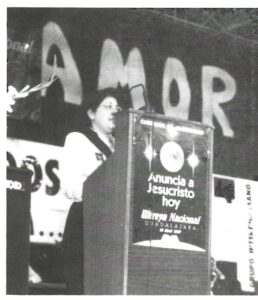 In 1962, the National Secretariat of Spain was established, with Monsignor Hervás as its first director.
A new phase of coordination, formation and service to the diocesan secretariats began.
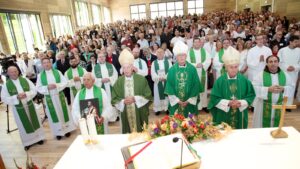
The first National Ultreya, held in Tarragona in July 1963, reflected this growing communion. Coming together allowed participants to share the fruits of their apostolate, strengthen their identity and renew their commitment to evangelisation. This is how the historical account of the MCC recalls it.
The National Ultreyas accompanied the Movement’s development: Zaragoza hosted the fourth in 1973 and Santiago de Compostela the fifth in 1976. Those gatherings brought to light a reality sustained, day by day, by the schools, groups and diocesan communities.
Deepening our identity and sharing our mission
This growth also raised the need to reflect together on the essence of the MCC. In 1972, Mallorca hosted the Third World Meeting of Leaders, from which emerged the decision to draw up Fundamental Ideas. Spain once again became a meeting place for a Movement that had spread throughout the world. The OMCC newsletter recalls this milestone.
Over the following decades, formation and accompaniment remained central tasks. The schools and secretariats continued to serve communities called to evangelise in a changing society. Perseverance on the fourth day was sustained by friendship, prayer and a shared commitment.
The European dimension was prominently expressed at the First European Ultreya, held in Seville in 1993, which concluded at the Real Maestranza. It was an occasion to share the faith across borders, as recorded in the memoir of the Hermandad de las Aguas.
From the turn of the century to the renewal of the gathering
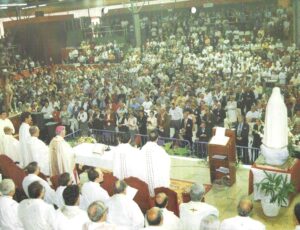
Guadalajara hosted the Sixth National Ultreya in 1997. In 2008, more than two thousand Cursillistas from 43 dioceses made a pilgrimage to Santiago to celebrate the seventh. These gatherings linked the Movement’s pilgrimage-based heritage with its present-day mission. The National Secretariat summarises this journey in its history of the National Ultreyas.
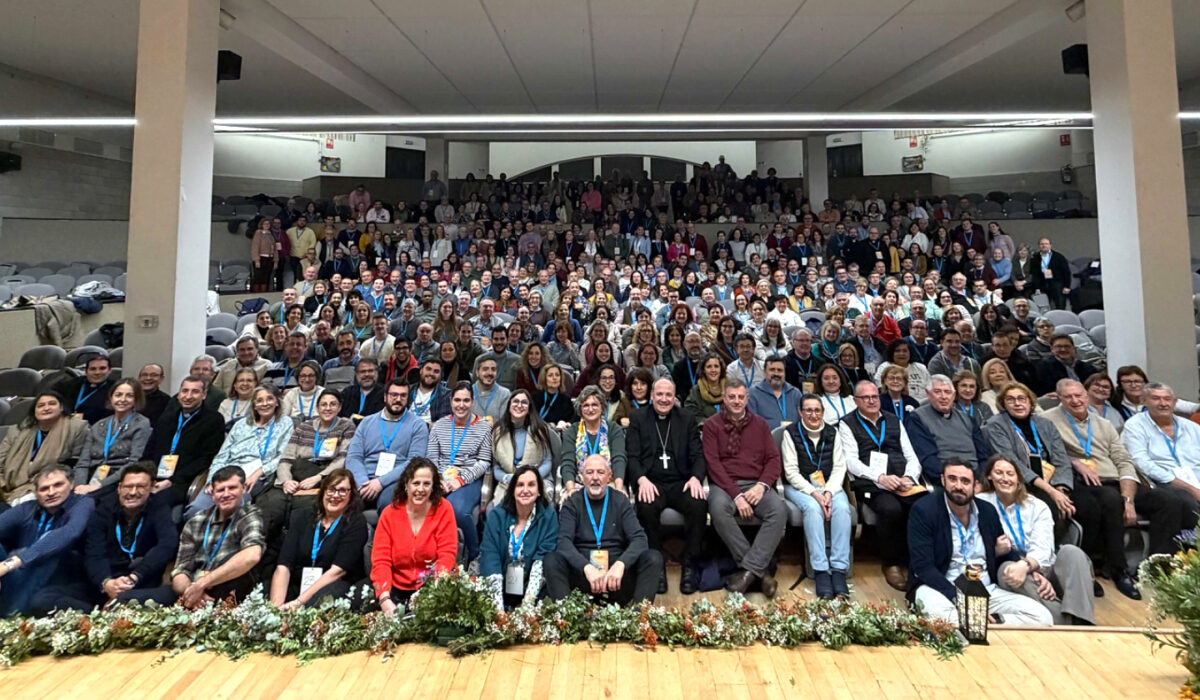
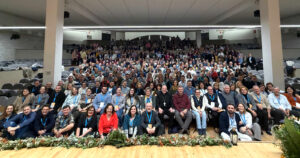
During the pandemic, the communities sought ways to maintain mutual support and shared prayer. In 2022, Toledo hosted the 8th National Ultreya under the motto ‘Let us return to Galilee’, with 42 dioceses taking part. It was a call to renew our encounter with Christ and to return to our communities with hope, as conveyed in the report on the gathering.
A story that continues today
In 2024, the commemoration of the 75th anniversary brought together grateful remembrance and missionary commitment. Today, the continuity of the MCC is evident in the holding of new Cursillos, the training of leaders and the perseverance of its communities.
The 2026 national calendar shows activity in numerous dioceses. Behind every event are people who prepare, pray, invite and accompany; communities that give their time so that others may experience an encounter with Christ.
From Mallorca to the present day, this story continues to be written in everyday life, wherever each Cursillista is called to bear witness to their faith. Giving thanks for the journey we have made commits us to cherishing the gift we have received and to continuing to offer it with humility, joy and ecclesial communion.
De Colores!