Christian joy is neither hoarded nor reduced to a passing feeling. It is born from knowing that God has invited us, and it becomes mission when we open the table of life to the people we meet in our environments.
An invitation that does not grow tired
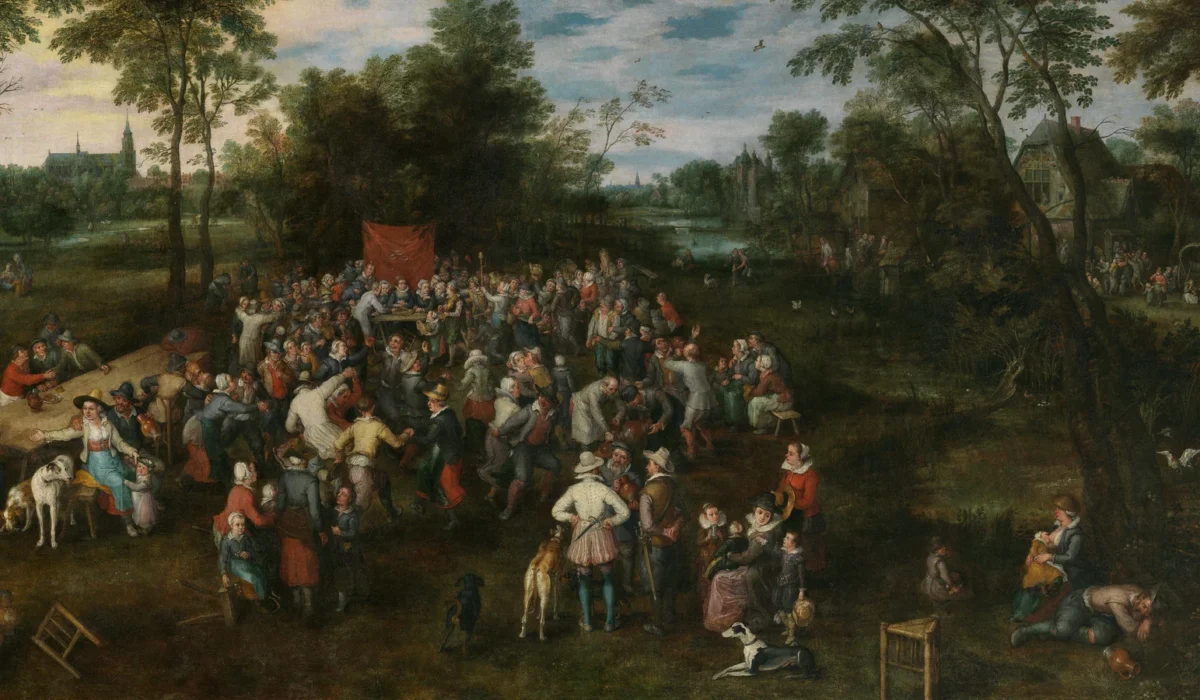
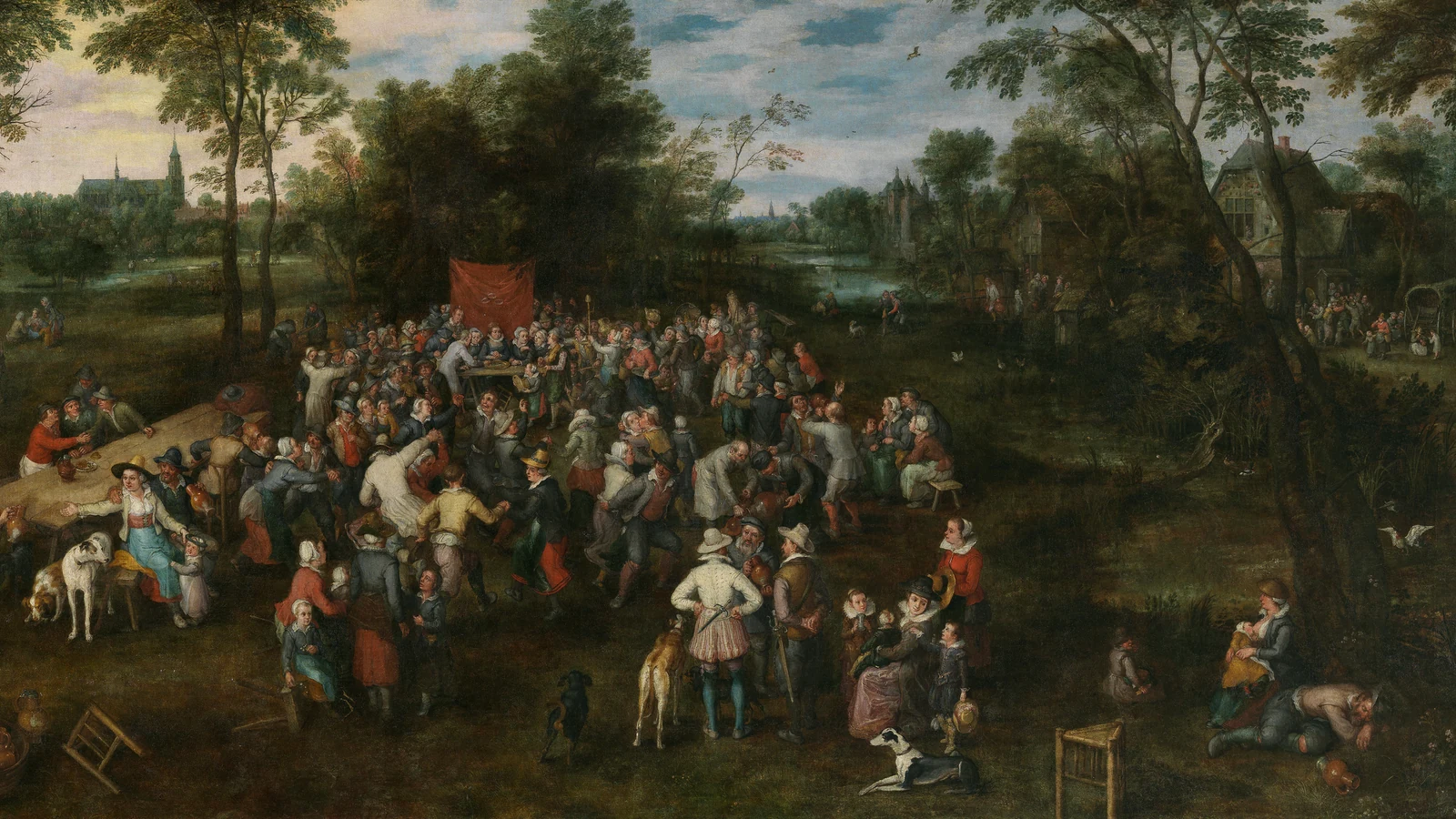
At this Sunday’s Angelus, Leo XIV reflected on the parable of the wedding banquet. Everything is ready, yet the first guests refuse the invitation. The king does not call off the feast: he opens the roads and sends his servants to invite everyone they can find. Goodness, the Pope reminds us, tends to spread. The joy of the Gospel has the same shape: it does not close in on itself, but seeks company and widens the table.
This scene takes us back to the heart of Cursillo. Christ may have found us when we least expected it and made us feel that a place had been prepared for us. The first proclamation was not a cold explanation, but news of personal love: God loves you, Christ lives, and he counts on you. The Fourth Day begins when that experience ceases to be a pleasant memory and becomes a way of seeing. Those who have discovered their place at the table learn to notice those who still feel left outside.
The Church lives within the world
At Wednesday’s General Audience, the Pope reflected on the Second Vatican Council’s teaching about the relationship between the Church and the world. The Church does not stand above or outside history; she is grafted into it. Through baptism, lay people are called to animate family life, work, culture and every human reality with the Gospel. Faith does not remove us from our environments; it sends us back to them with a new responsibility.
This gives us a very practical question: where is someone waiting for an invitation today? It may be the person no one listens to at a meeting, the colleague reduced to performance, the young person who cannot find a conversation free of judgement, or the family enduring difficulty in silence. Evangelizing an environment begins with genuine presence. Before organizing something extraordinary, perhaps we need to offer attention, time and a word that restores dignity.
Studying with an awakened heart
Opening the academic year of the Pontifical Universities, Leo XIV called for an intelligence that remembers lived experience instead of merely accumulating data. In an age shaped by algorithms, study requires us to guard the heart, seek truth together and remember the poor. Christian formation loses its purpose if it fails to connect what we learn with the lives we serve.
The Cursillo School faces the same danger. We may know the method, quote documents and defend familiar terms, yet study bears fruit only when it helps us understand people and accompany them patiently. Piety, study and action are not separate compartments. They are one path through which friendship with Christ sheds light on reality, purifies our decisions and moves us to serve. Bringing life into study and study into life is a humble way of keeping mission awake.

Daily goodness is also witness
Speaking to priests and religious from Korea, the Pope described the hidden witness of ordinary days: doing good when it costs, drawing near to people who are lonely or tired, forgiving, engaging in dialogue and building peace from the heart and through relationships. Not everyone is called to visible gestures. Everyone can choose a fidelity that may win no applause but makes the world more habitable.
Such fidelity is learned in friendship with Christ and sustained in community. Diversity is not an obstacle to endure, but a gift that asks for listening and discernment. An Ultreya, group or secretariat becomes truly synodal when each person can offer a gift and also reveal a weakness. The Gospel table does not gather perfect people; it gathers guests willing to receive and share grace.
Set one more chair
The family also stood at the centre of the Pope’s words for the tenth anniversary of Amoris laetitia. The Church’s mission, the hope of younger generations and even social peace are at stake there. We cannot speak about families from a distance. We need to listen, walk at the pace of their real lives and help them discover that the Gospel can dwell in their joys, weariness and wounds.
Perhaps this week’s decision can be expressed through a simple image: set one more chair. Make room in the diary for a phone call; in conversation, to listen without preparing the reply; in the group, for the person who arrives with a different story; in prayer, for one particular name. Then invite someone, with the ease of a person sharing something good, into friendship, an Ultreya or an encounter with Christ.
Christian joy is deep, concrete and real because it comes from salvation received. It does not need to impose itself or make noise. We recognize it in a community where no one is expendable and in a disciple who goes out to the roads with generosity, courage and faith. We have been invited. Now it is our turn to open the door and make room.
Read this article in Spanish: Una alegría que hace sitio