Leo XIV used the restored Notre Dame as a way of reading his journey to France and recalling that the Church is renewed when her living stones allow Christ to gather them together. This week, his words on peace, silence, dialogue, unity and care for creation invite us to examine how we are building up our environments.
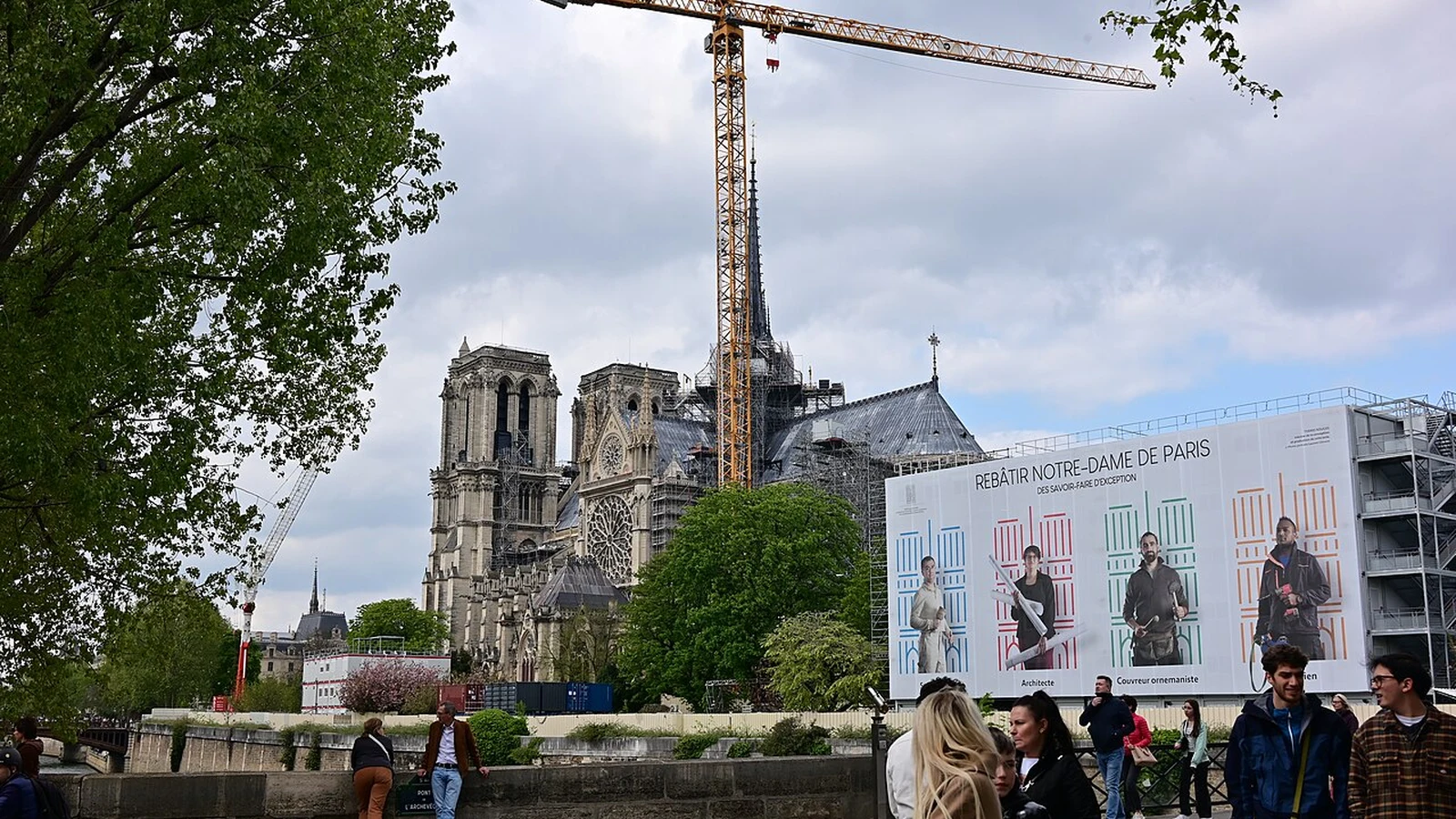
A cathedral and a question
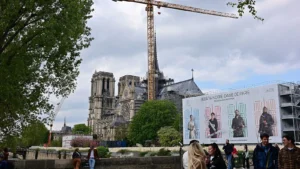
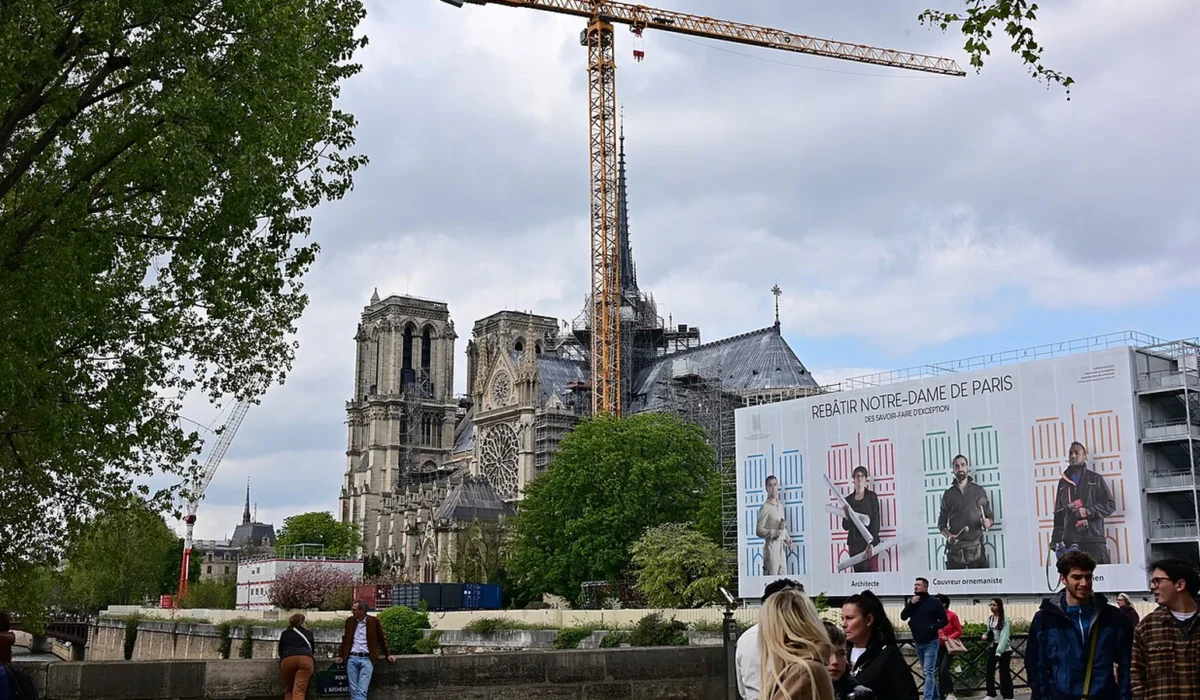
Some buildings seem to speak. Notre Dame, wounded by fire and raised again through the work of many people, became for Leo XIV an image of rebirth. At the General Audience on 30 September, the Pope explained that its restoration shows what society can achieve when people cooperate for the common good and human dignity. He then went further: the Church is made of living stones, people loved by Christ and called to remain united.
The image is beautiful, but it is also unsettling. We can restore façades, organize meetings and take great care of our structures while leaving the cracks in people unattended. A community is not rebuilt simply because its programme works. It is reborn when someone feels seen, heard and accompanied again; when Christ ceases to be a familiar word and becomes once more an encounter that changes life. What are we restoring: the appearance of what we once were, or our ability to bring God’s love to the people before us?
From the desert to a common home
In the Mass celebrated in Metz on 28 September, Leo XIV followed three images from Isaiah: the desert, the garden and the house. Peace appears as God’s gift, but also as a shared task requiring simplicity, justice, forgiveness, mercy and charity. It does not grow from revenge or imposition. It is cultivated when each person is willing to contribute so that dry ground may bear fruit again and everyone may live in a dignified home.
This appeal reaches directly into our Fourth Day. In Cursillo we speak of transforming environments, and sometimes we imagine large initiatives. Yet transformation usually begins in small choices: a conversation in which we do not humiliate, a difference we refuse to turn into hostility, a call to someone who has drifted away, an Ultreya where no one is treated as expendable. Piety, study and action lose their strength if they do not make us artisans of reconciliation. Peace is not proclaimed from a distance. It is learned, practised and offered.
The silence that makes words possible
Speaking to Dominican contemplative nuns on 30 September, the Pope recalled that authentic proclamation begins in silence, listening and prayer. This is not an invitation to withdraw, but to let God bring order to the heart before we speak. The interreligious meeting in Metz also stressed the need to disarm hearts and words, seeing difference as a promise rather than a threat.
We find it hard to admit how much noise we carry within. We reply before understanding, repeat messages that confirm our side and confuse speed with clarity. We can bring the same haste into evangelization and turn proclamation into an argument that wins but fails to reach the person. The first proclamation has another source: knowing that Christ loves us and looking at another person with the same hope. Before preparing an answer, perhaps we should recover a simple question: what is this person truly living through, and how can I draw near without taking over their place?
Open roots and practical care
During the meeting on Europe’s roots, Leo XIV recalled that a living identity is not protected through isolation, but by meeting others without abandoning truth. On 1 October he asked Catholics and Lutherans to return together to Christ and the apostolic roots, because ecumenism is a journey of grace and our world needs witnesses whose lives make the Lord recognizable. That same day, speaking about care for creation, he linked rejection of the throwaway culture with respect for work and for every person.
This gives us a practical criterion for our environments. Fidelity does not mean repeating forms because we are afraid of losing our identity. It means keeping the root alive so that it bears fruit today. A family, a secretariat, a group or a parish becomes more evangelical when it cares for those who arrive weary, uses resources responsibly and places dignity before usefulness. Communion does not erase differences; it turns them into an opportunity for friendship, learning and shared mission.
Beginning with one living stone
We cannot rebuild the whole world this week. We can begin with one living stone. We can choose one person, listen without hurry and take one step that repairs the relationship. We can examine which of our words needs to be disarmed. We can ask whether our group helps people grow or merely preserves customs. And we can return to prayer, not as an escape, but as the place where Christ rebuilds what we are then called to offer.
Notre Dame rose again because many hands accepted a common task. The Church is renewed in the same way: when each person allows grace to shape them and places their gift at the service of others. This can be our decision for the Fourth Day: tend to one real crack, support one tired stone and open a space where someone may discover that God still loves them. Rebuilding begins within, but it never ends with us.
Sources
- 28 September · Homily in Metz
- 28 September · Interreligious meeting
- 28 September · Europe’s roots
- 30 September · General Audience
- 30 September · Dominican contemplative nuns
- 1 October · Lutheran World Federation
- 1 October · Hera Group
- 1 October · Rosary for peace with children
- 2 October · Meeting with artists