Leo XIV’s words this week bring together work, grace, conversion and peace. For those of us who serve in Cursillo, they leave a simple yet demanding question: do we allow our encounter with Christ to transform our ordinary tasks into living water for the environments in which we live?
When ordinary things seem small
There are days when our work seems no more than a list of unfinished tasks. We organise a meeting, answer messages, accompany a family difficulty or prepare an Ultreya. We finish tired and perhaps feel that we have done nothing extraordinary. Faith, however, does not ask us to abandon that reality in order to find God. It invites us to discover who is present within it and for whom each task is done.
At the General Audience on 23 September, Leo XIV recalled that human activity, technical progress and daily work are not in competition with God. When they serve everyone’s dignity and are guided by charity, they can correspond to his will. The Pope stressed that meeting God does not erase human freedom or capacity: in Christ they find their fullest truth. This teaching does not automatically make everything we do good; it gives us a criterion for discernment.
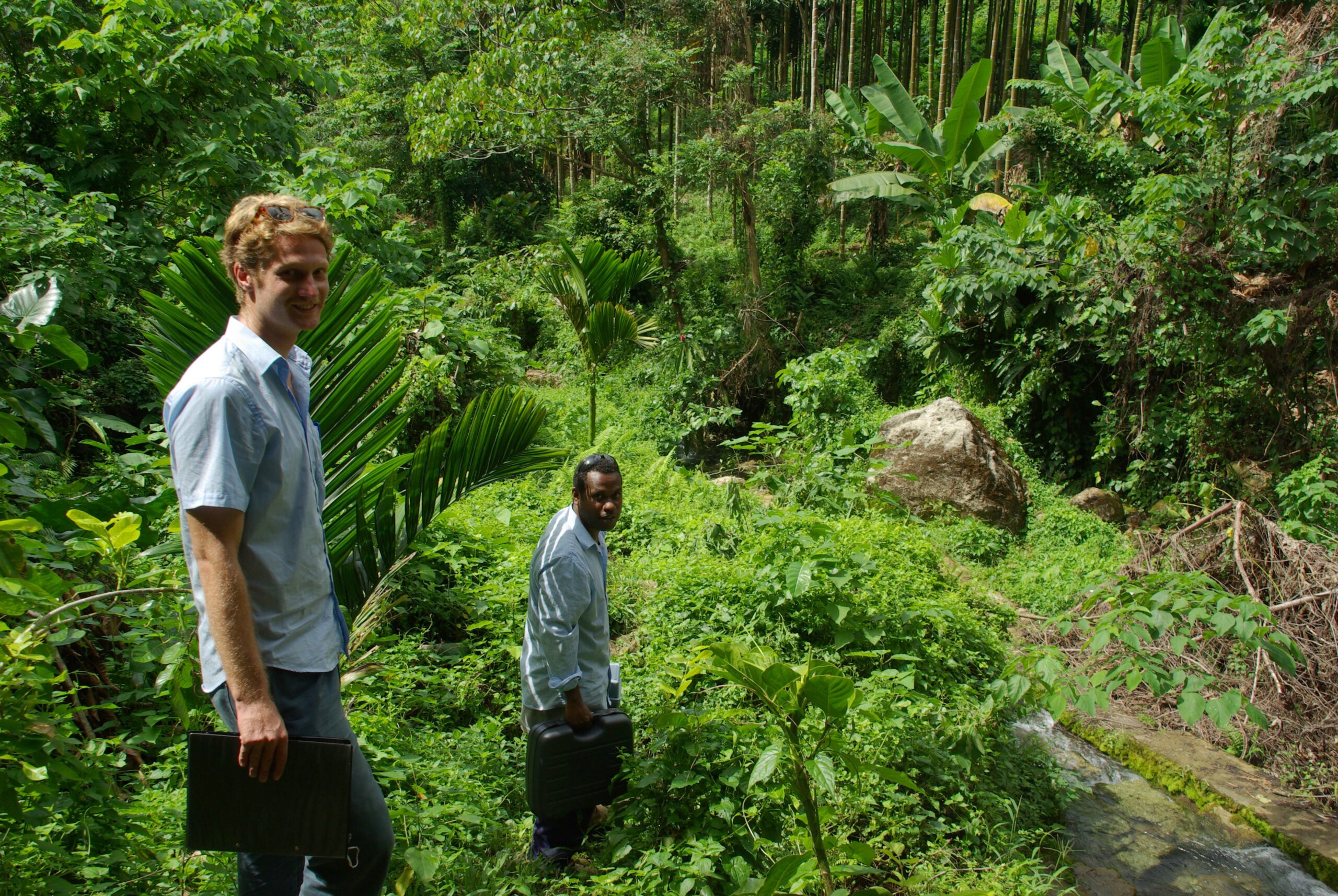
A table where work becomes an offering
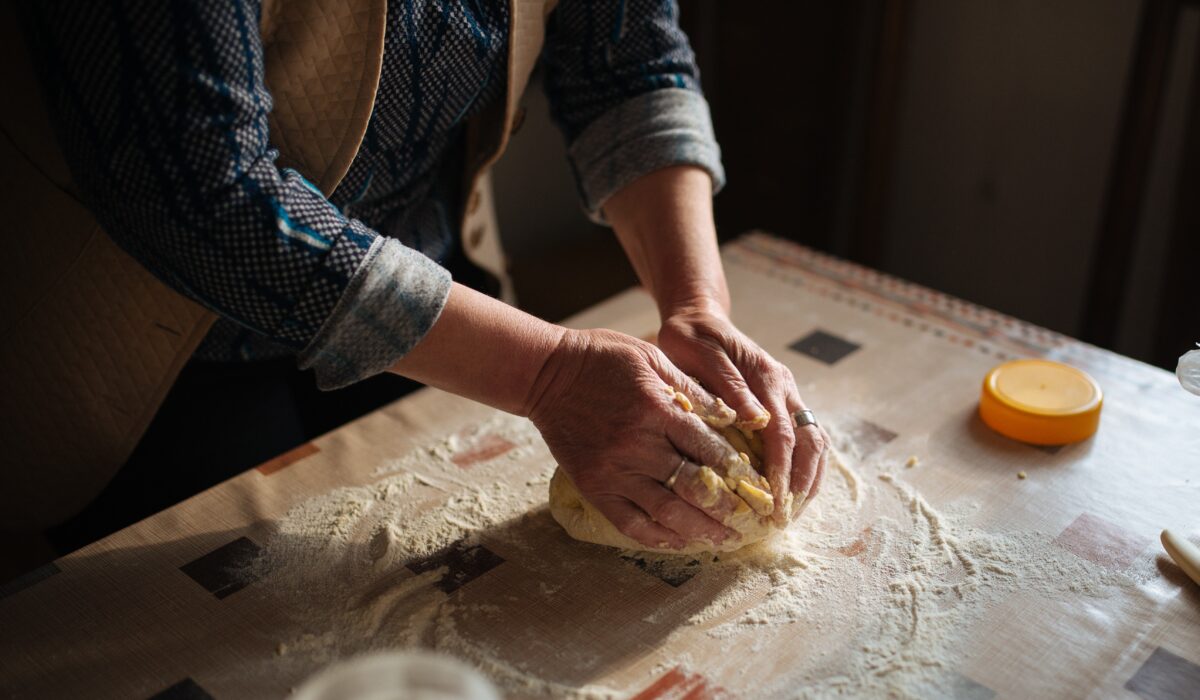
The Eucharistic image used by the Pope is particularly fruitful. Bread and wine, fruits of the earth and of human labour, are brought to the altar. The effort of those who sowed, transported, kneaded or tended the vines does not disappear; it is received and transformed. We too can bring our diary, worries, successes and failures to prayer. Christ does not wait for us outside life, but within its concrete truth.
For a Cursillo leader, this touches piety, study and action. Piety helps us recognise that we do not own the fruits. Study prevents us from confusing good intentions with sound decisions. Action turns what we have understood into service. Do our tasks genuinely help someone to meet Christ and grow in freedom? Or are we maintaining customs that no longer serve encounter? The point is not to despise what we have received, but to offer it again so that the Lord may purify it and make it fruitful.
Drinking so that we may become a spring
In his homily in Paris on 26 September, Leo XIV presented Christ as the source of living water. Those who drink from that source do not keep the water for themselves: through their union with Christ, they become a spring for their neighbour. This image is close to the friendship lived in Cursillo. We do not accompany others from a supposed spiritual superiority. We accompany because we ourselves have first been welcomed, heard and loved.
The Fourth Day needs this circulation of grace. It may appear in a call to someone who has been absent for weeks, patience with a person who thinks differently, an unhurried conversation or the decision to ask forgiveness. It also reaches work, family and neighbourhood. Living water is not enclosed within our groups; it seeks the real cracks where someone thirsts for recognition, meaning or companionship.
Conversion that opens paths of peace
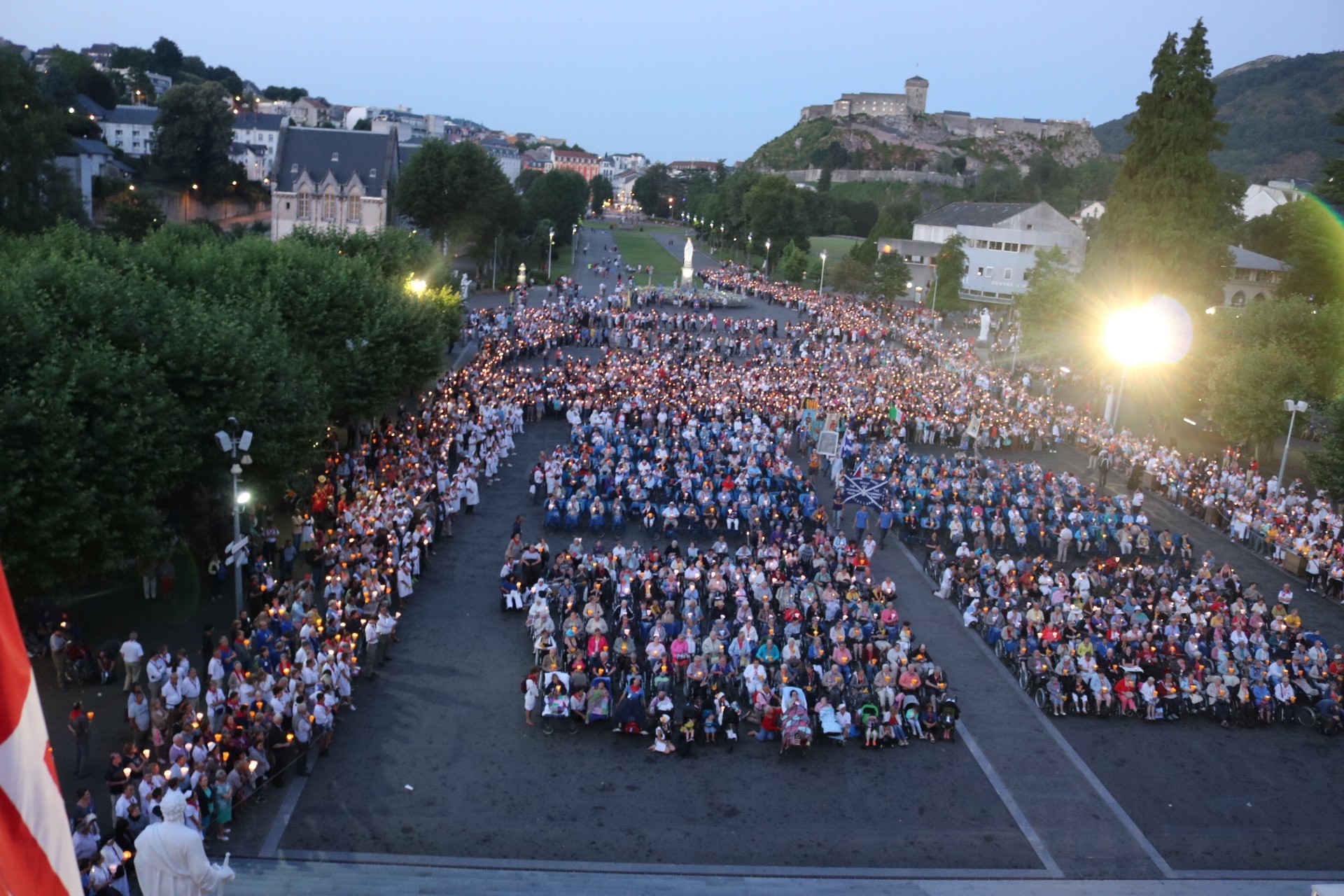
At Lourdes on 27 September, the Pope spoke of a call to conversion that is both tender and urgent. He did not present it as contempt for our frailty, but as a return to the Way of Life. He recalled that there no illness, old age or hidden tear makes a person disposable. He also asked us to begin by changing our own hearts. This protects us from a familiar temptation: readily diagnosing what the Church, the Movement or other people ought to change while leaving our own resistance untouched.
Later, at the Angelus, he invited the faithful to pray the Rosary throughout October for an end to war, joining prayer to concrete acts of penance and mercy and to a commitment to dialogue and reconciliation. The papal text speaks of conflicts between peoples. Without diminishing that appeal, our editorial reflection can also bring it to the small borders we maintain nearby: a conversation postponed, a judgement repeated, a friendship grown cold or a group in which someone no longer finds a place.
One verifiable decision for this week
I suggest that each group choose one ordinary task and review it in the light of these words. First, bring it together to prayer. Then ask whom it serves, who is left out and what fruit of charity we hope for. Finally, agree on one concrete change: simplify a meeting, visit someone, share a responsibility or open a space for listening. We do not need a spectacular initiative. We need what we do to let the water of Christ flow through it.
Personally, we can unite work, conversion and peace in a single gesture. Let us think of someone in our environment whom we could serve better this week. Let us do well a task that affects them, pray for them and take the step needed to draw near. When work becomes an offering and friendship allows Christ to transform it, ordinary life ceases to be small. It becomes a channel. And the Fourth Day begins to flourish exactly where we are.
General Audience, 23 September · Homily in Paris · Homily in Lourdes · Angelus · OMCC