From the first attempts in Montevideo to the momentum born in La Pedrera, the Cursillo Movement has grown through people and dioceses willing to share what they had received.
The story of the Cursillo Movement in Uruguay begins with a conversation. According to the Movement’s own account, around 1957 a Uruguayan employee of Iberia returned from Spain inspired by the Cursillos he had encountered there. He spoke about them to Monsignor Corso, then parish priest of the church in Montevideo’s Cordón neighborhood. That interest led to inquiries and new contacts. With the support of Catholic Action, Gerino Casal, who had come through Ecuador and Argentina, organized Cursillo experiences at the Colegio de la Sagrada Familia.
Those early efforts did not take root. They lacked the structure and support needed to endure. Yet even an initiative that does not succeed can leave a fruitful question: how can an encounter experienced over a few days become a Christian life shared with others?
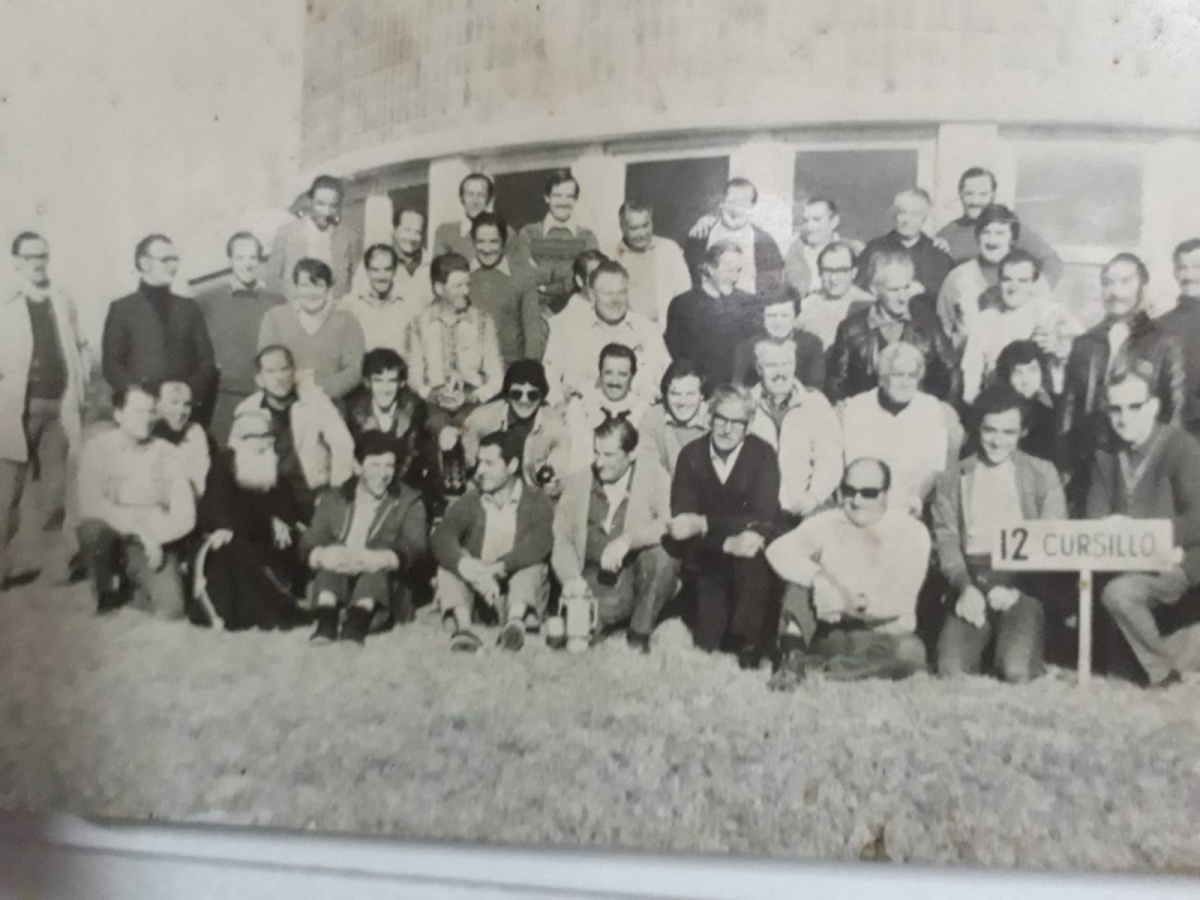
An answer began to emerge away from the capital. On 11 October 1973, the first men’s Cursillo recognized in the Uruguayan Movement’s account began at the La Pedrera hotel, in the department of Rocha. Cursillistas from San Isidro, Argentina, led it. From that coastal town, the Movement spread to towns and cities across the country’s interior. The Uruguayan Bishops’ Conference also places the first Cursillo in what was then the Diocese of Maldonado. This detail matters: the Uruguayan story took root in communities able to receive help and, in time, offer it to others.
A Faith Shared With Others
The first women’s Cursillo followed in 1974. In 1979 the Movement took new steps in Mercedes and Canelones. In the Diocese of Mercedes, the first Cursillos were held in the department of Río Negro and in Cardona, with the help of Cursillistas from San Isidro. The Argentinian team returned to offer training sessions that helped prepare local teams. That work bore fruit beyond the diocese: leaders from Mercedes later helped establish the Movement in San José, Montevideo, Tacuarembó, and Salto.
Also in 1979, Canelones held its first Cursillos at the Betania retreat house in Las Piedras: the men’s in July and the women’s in October. In 1982 it was Minas’s turn. The Aguas Blancas retreat house welcomed its first diocesan Cursillos, with leaders from Maldonado and local people who had already lived a Cursillo. Among those who accompanied the Movement’s growth, the Uruguayan account highlights Father Narciso Renom and his service in several dioceses.
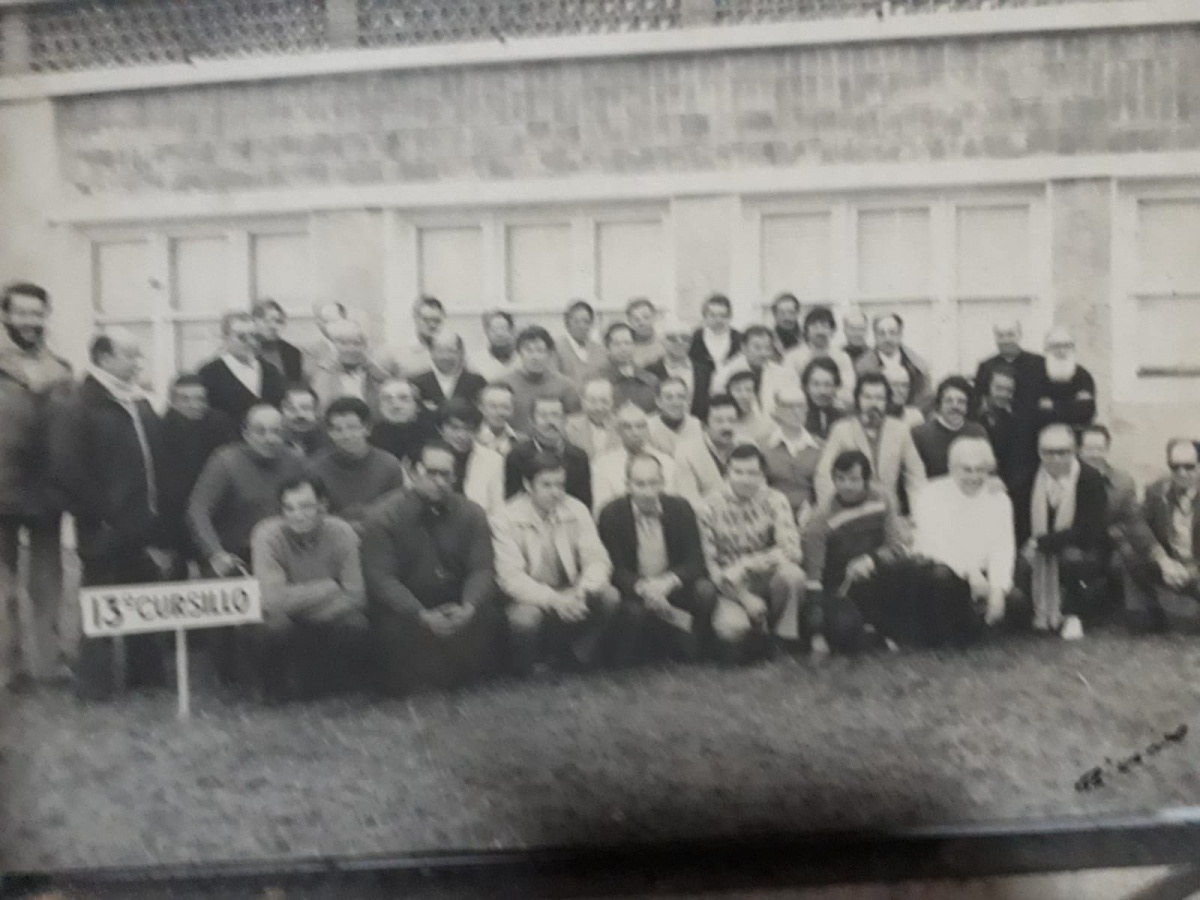
The expansion continued in San José de Mayo, whose first Cursillo was held in 1987 with a team from Maldonado, and in Florida, where the Movement began in 1991 with support from Minas. Every new beginning called for people willing to prepare, accompany, and stay. Enthusiasm opened a door; formation and community life helped keep it open.
From a First Cursillo to a Local Team
In Melo, the journey began before the first gathering. In 2001 there were conversations and planning meetings, with the support of Bishop Luis del Castillo, who had lived a Cursillo in Argentina. Father Freddy Martínez attended a Cursillo in Minas. The following year, the first Cursillos for men and women were held in Melo, with teams from that diocese and some leaders from Melo who had already participated in the Cursillo in Minas.
Montevideo welcomed its first women’s Cursillo in November 2003, accompanied by Cursillistas from Mercedes, Minas, and Maldonado. A story that had begun with an early attempt in the capital returned to it, enriched by decades of experience in the interior.
In 2013 Cursillos began in Salto and Tacuarembó-Rivera. In Salto, the first gatherings relied on support from other dioceses and the National Secretariat; from the sixth Cursillo onward, a local team took responsibility. In Tacuarembó-Rivera, meetings and formation preceded the launch, and the seventh Cursillo was the first organized entirely by the diocese. These milestones reveal something beautiful about this story: receiving help can prepare a community to serve others in turn.
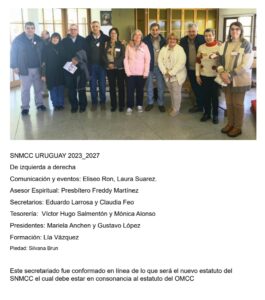
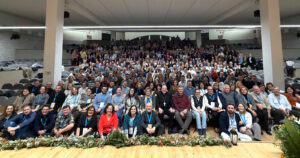
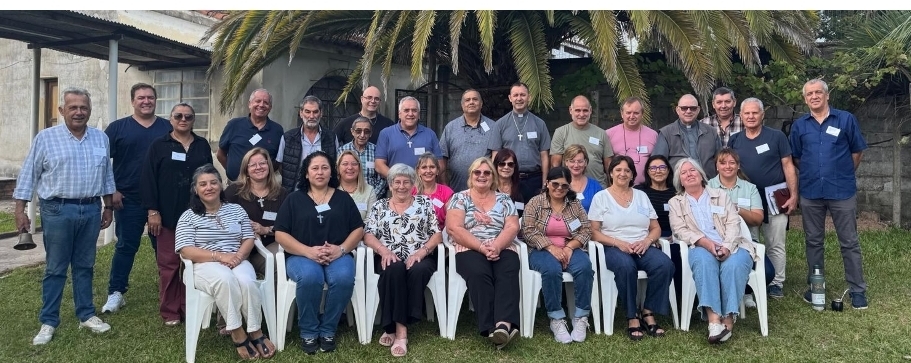
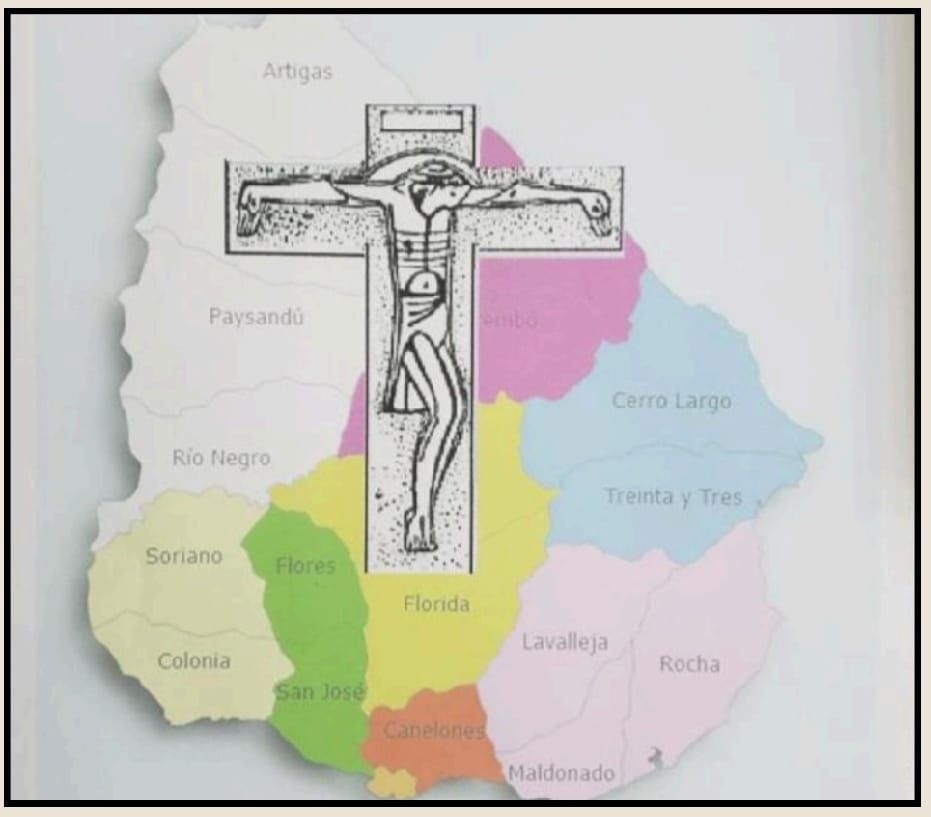
Today the Uruguayan Movement has diocesan schools and secretariats, as well as a national structure. Its history includes encounters with Cursillistas from other countries; Montevideo, for example, hosted a Southern Cone gathering in October 2019. The Movement’s presence across the country’s dioceses reflects a long journey woven through the perseverance of many people whose names were never recorded.
Looking back invites gratitude, but it also challenges us. If the first spark came from someone eager to tell others what he had experienced, whom might we approach today with that same joy? If one diocese helped another begin, which community might now be waiting for our time and friendship?
The story of the Cursillo Movement in Uruguay is still being written. It continues wherever someone feels welcomed, discovers that Christ is counting on them, and finds friends with whom to bring the Gospel into everyday life. From La Pedrera to every new community, that is a hope worth sharing. De Colores!