On 13 November 2026, during Holy Mass in the open space near the Pampas de Pimentel in Chiclayo, Peru, Pope Leo XIV posed a decisive question for the whole Church: how do we proclaim Jesus Christ today?
The Holy Father had returned to the diocese where he had served as bishop. He spoke with the closeness of a pastor to a particular community, yet his appeal concerns every baptized person. Proclaiming the Gospel, he insisted, is neither a task reserved for a few nor an optional addition to Christian life. It is a responsibility born of Baptism, to be lived with humility, joy and fidelity.
The Pope’s word: an encounter that becomes witness
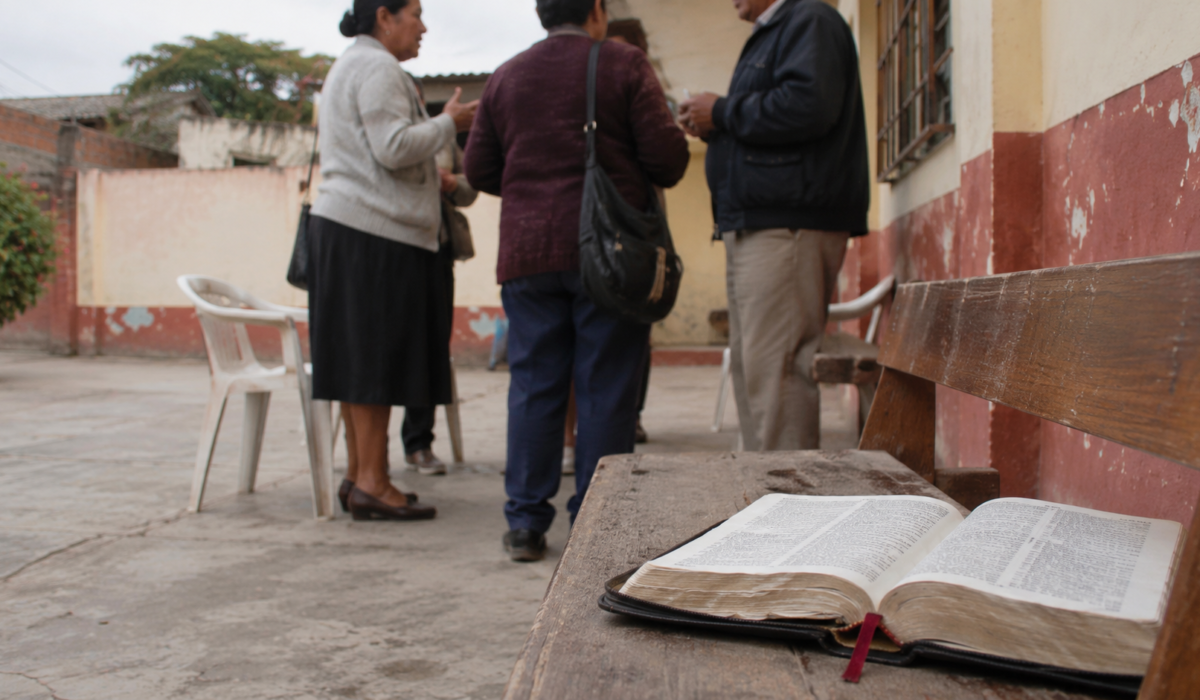
Leo XIV placed the personal encounter with Jesus at the heart of Christian life. He recalled that the Lord awaits us especially in the Eucharist and in the Word, “the two ‘tables’ that nourish us and give us life.” He added that Christ also comes to meet us in ecclesial communion and in the fraternal welcome of our neighbor. This is not an isolated or inward-looking experience. Encountering Christ opens us to the Church and leads us towards our brothers and sisters.
The Pope then offered a key insight: “Evangelizing, therefore, does not mean imposing doctrines or trusting in efficient strategies, but bearing witness to that real encounter with Jesus Christ.” These words do not diminish formation, explicit proclamation or ecclesial organization. They put them in their proper order: before evangelization is a technique, it is the sharing of a life transformed by the Gospel.
The Holy Father stressed that proclamation needs witness and communal closeness. He also connected mission with the beauty of God’s saving love revealed in Christ crucified and risen. Faith, then, is not first an idea to defend, but good news that has been received, celebrated and shared. The joy of the Gospel, he observed, is renewed and multiplied when it is shared.
Charity and truth for a credible mission
The homily realistically named several present-day challenges: in some places the transmission of faith has been almost completely interrupted; religious indifference, materialism and selfishness can shape daily choices. The response proposed is neither nostalgia nor confrontation, but a life in which charity and truth remain united.
The Pope drew on a formulation from Benedict XVI: without truth, love becomes mere sentimentality; without love, truth grows rigid and cold. For the Cursillo Movement, this unity can illuminate dialogue with people who are distant, wounded or simply indifferent. Fraternal treatment cannot empty the Gospel of its content; nor can the clarity of faith dispense with patience, listening and respect for each person’s freedom.
For our life as Cursillistas
Leo XIV’s affirmation that “mission cannot be improvised” can become a straightforward question for our lives: what nourishes our witness today? The Pope’s answer returns us to the sources: the Word, the Eucharist, communion and welcome. A Cursillista is not called to play a religious role, but to allow the encounter with the Lord to reach decisions, words and relationships.
That takes concrete form in real-life settings. In the family, it can mean patient listening and shared prayer. At work, it can mean carrying out one’s duties with honesty, competence and care for people. In public life, it means not relegating faith to the private sphere, but allowing it to inspire a commitment to dignity, justice and the common good. In the community, it means cooperating without seeking the spotlight and recognizing that evangelization is always the work of a people.
The Pope spoke of going out into the world to spread to others the joy born of an encounter with the Risen Lord. This joy is neither excitement nor an escape from difficulty. It is the confidence of those who have received a salvation they wish to share. That is why proclamation can be calm, respectful and persevering, even when it brings no immediate results.
Conclusion
From Chiclayo, Leo XIV reminds us that the world needs more than religious messages. It needs disciples who make Christ visible through a lived faith. Mission begins anew whenever, sustained by the Word, the Eucharist and the community, we bring the hope of Jesus into our environments. There the Gospel can begin to overflow.
References and credits
- Leo XIV, Homily at Holy Mass in Chiclayo, 13 November 2026.
- Francis, Evangelii gaudium, nos. 36 and 120.
- Benedict XVI, Caritas in veritate, no. 3.
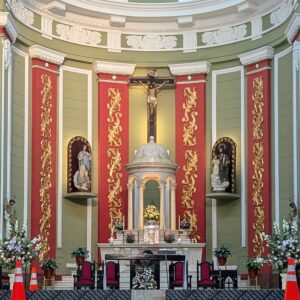
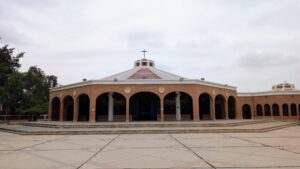
- Photographs: H.dav.are / Wikimedia Commons, CC BY-SA 4.0; altar of Chiclayo Cathedral and Shrine of Our Lady of Peace.