Faith becomes credible when it enters culture without fear, learns to listen to it and transforms it from within according to the form of Christ. This week, Leo XIV invites us to bring roots, thought, responsibility and mission together.
Christ enters every culture
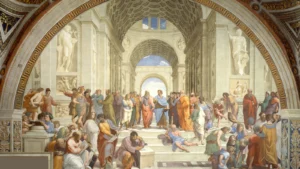
Some words used in the Church may be true and yet fail to reach anyone. The Gospel has not lost its power; the difficulty is that we sometimes offer it without listening to the language of real lives: people’s questions and wounds, and the ways they work, create, form relationships and search for meaning. At Wednesday’s General Audience, Leo XIV recalled that the relationship between faith and culture is rooted in the Incarnation. The Word became flesh and dwelt among us. Faith therefore does not hover above history; it is woven into the words, traditions, art, science and thought of every people.
This speaks directly to the Cursillo vocation. Evangelizing environments is not a matter of bringing in a set of ready-made answers from outside. It begins by drawing near to a particular person, understanding how he or she thinks and feels, recognizing the good, beautiful and true that is already present, and proclaiming Christ there. The Pope stresses that faith can dwell in any culture without being completely identified with any one of them. It transforms from within through charity, service and the awareness that we are God’s children. We need to ask an uncomfortable question: do we truly know the environment we hope to evangelize, or do we merely talk about it in our meetings?
Roots that do not hold us still
Two days earlier, welcoming the Sisters of Charity of Saint Jeanne-Antide Thouret, the Pope expressed an entire vocation in one phrase: roots in Christ and mission in the world. Roots are not an excuse to remain still. They nourish, support and make growth possible. When Christ is at the centre, we learn to recognize his presence and to draw closer to one another. Those roots keep mission from becoming activism and prevent fidelity from being confused with preserving forms without asking whether they still help people encounter the Lord.
In the Fourth Day we need both roots and mission. Piety returns us to the source; study helps us understand reality; action enables us to serve and transform it. When separated, each becomes poorer. Prayer that does not listen to life can become a refuge. Study that does not lead to discernment becomes accumulation. Action without friendship with Christ eventually exhausts us or tempts us to seek visible results. The group reunion and Ultreya should help us hold these dimensions together and review how the Gospel is entering family life, work, universities, politics, art and digital conversation.
Disarming what we have created
Today’s culture is also made of algorithms. On Friday, speaking to the Pontifical Academy for Life, Leo XIV said that the future of artificial intelligence depends on human decisions. The decisive question is not only what it can do, but what it should serve. Machines are tools, not persons: they do not know love, friendship, pain, work or responsibility from within. Decisions concerning life, freedom and the use of force cannot be delegated, and progress must serve the common good under rules and institutions capable of demanding accountability.
The previous day, in his message to the interreligious gathering in Assisi, the Pope had called for peace to be rebuilt and for the language of arrogance to give way to negotiation, understanding and dialogue. The two appeals meet in ordinary life. We too can turn a tool, a word or a conviction into a weapon. It happens when we classify someone before listening, spread an accusation because it confirms our view, or treat difference as hostility. Mission begins by disarming our gaze. Christian leaders do not abandon truth, but they refuse to use it to wound or dominate.
Rebuilding from the centre
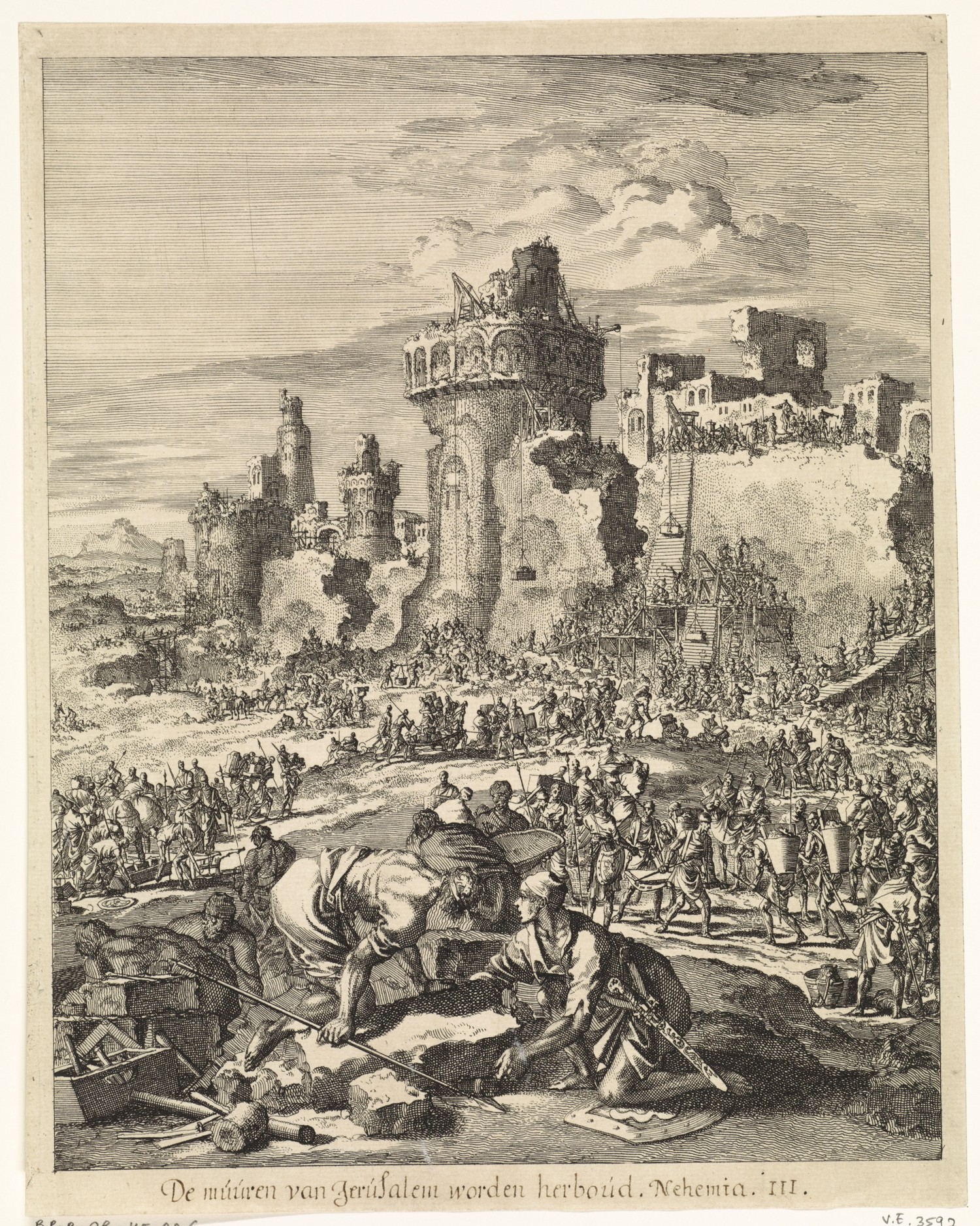
This Saturday, speaking to communities wounded by the earthquakes in central Italy, Leo XIV recalled Nehemiah. A city is reborn through shared responsibility, not through the work of one person, and through a vision capable of seeing beyond the ruins the home that can still be built. He also said that rebuilding walls is not enough: a community must recover what gives it meaning and holds it together. Returning to the centre means returning to God, to people, to the common good and to relationships.
Our secretariats and communities also experience weariness, loss and cracks that no new programme can repair by itself. We need to look together at what hurts, accept responsibility and ask which centre we have neglected. Rebuilding may begin by calling someone who drifted away, listening without defending ourselves, sharing a decision or restoring space for friendship. Synodality is not an endless meeting; it is learning to carry the stones together and to discern what house God wants us to raise today.
Training in love every day
Welcoming two universities, the Pope spoke about sport and holiness. Rivals are not enemies, and no one is born a champion, just as no one is born a saint: holiness requires daily training in love. This image brings everything back to concrete ground. Faith becomes culture through habits: how we converse, what we share, whom we make time for, how we exercise responsibility, how we use technology and how we treat people who think differently.
This week we might choose one simple exercise. Enter an environment with more questions than answers. Listen to a person without turning them into a case. Read a message again before sending it. Ask forgiveness where our words have built a wall. Open the group to an experience unlike our own. Christ does not send us to conquer culture, but to inhabit it according to his form: charity, service, truth and closeness. When we live in this way, the Gospel no longer sounds like a foreign language. It becomes flesh in our lives and makes visible that another way of relating to one another is already possible.
Leer este artículo en español: Una fe que aprende el idioma de la vida