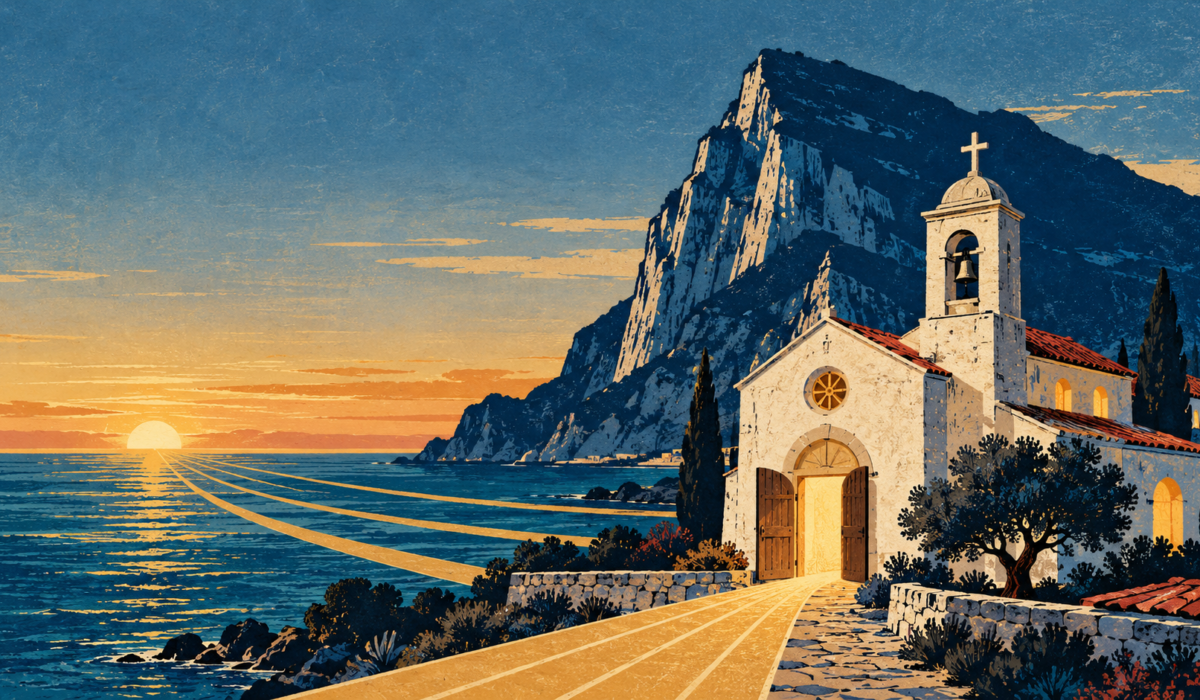
There are places whose importance is not measured by their geographical size, but by the ability of their people to open new paths, build community and share what has transformed their lives.
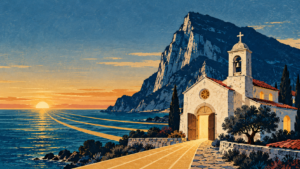
Gibraltar is one of them.
In this small territory at the gateway to the Mediterranean, the Cursillo Movement found men and women ready to live their faith with enthusiasm and to share with others the experience of their encounter with Christ.
Its story began long before the first Cursillo was held on the Rock. And, as so often happens in our Movement, it grew out of personal witness, friendship and the desire that others might discover what a few had already experienced.
A seed that arrived from Málaga and Tetouan
In the early 1960s, a small group of men from Gibraltar took part in Cursillos held in Málaga and Tetouan.
The experience left a profound mark on them. They returned convinced that what they had lived could not remain only within their own lives. They wanted other people in Gibraltar to have the opportunity to discover the fundamentals of Christianity through the Cursillo.
Among those first Cursillistas, Charles Vasquez stood out. His enthusiasm and perseverance were decisive in enabling the Movement to take root in his homeland.
That hope, however, had to wait several years before becoming a reality.
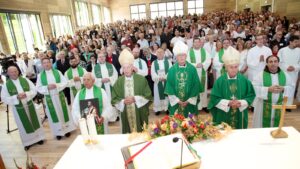
In 1976, the Bishop of Gibraltar, Edward Rapallo, finally authorised the celebration of Cursillos in the diocese and appointed the priest Charles Caruana as spiritual director. Caruana would later become Bishop of Gibraltar.
The Movement was beginning to take its first organised steps, but one major obstacle remained: finding a place where the Cursillos could be held.
A crypt, Filipino workers and a story of generosity
After considering several possibilities, those responsible for the emerging Movement found a solution as unexpected as it was demanding: transforming the crypt beneath St Joseph’s Church into a retreat house.
The parish priest, Father Buckley, knew the Cursillo experience well, having lived one himself in New York. He therefore welcomed the proposal and gave his permission.
But the crypt required substantial work. Old furniture had to be removed, structural alterations made and expenses met that the small group could scarcely afford.
It was then that one of the most moving episodes in this story took place.
Through someone close to the group, they came into contact with Filipino workers who agreed to undertake the work. According to the historical account of the Movement in Gibraltar, those workers had also lived a Cursillo in the Philippines.
When they learned the purpose of the project, they offered their labour free of charge.
The generosity of Cursillistas from the other side of the world thus helped to create the place where others would experience their own encounter with Christ.
Materials arrived, the work progressed and, despite considerable financial difficulties, the retreat house became a reality.
The facilities were simple and limited, yet over twenty-five years they welcomed almost two thousand participants.
The story of that crypt reminds us that the spread of the Movement has not depended only on large projects or abundant resources. It has often been made possible by the availability, trust and commitment of particular people.
March 1977: the first Cursillo in Gibraltar
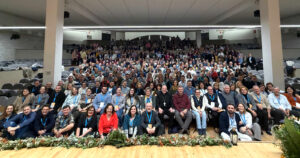
Finally, from 24 to 27 March 1977, the first Cursillo in Gibraltar was held, with thirteen candidates taking part.
To make it possible, the local leaders relied on the collaboration of lay leaders and priests from Tangier.
They included the Franciscans Father Campos and Father Lourido, together with Cursillistas such as Raffa and Rosita Castillo, Romano and Clarita Petri, Gonzalo Araluce and Paco López Arriba, among others.
Their collaboration was far more than organisational assistance. It expressed one of the characteristics that has accompanied the Movement from its beginnings: the readiness of one community to help another so that the Cursillo can reach new places.
Especially significant was the relationship that Father Campos maintained with Gibraltar for many years. He took part in numerous Cursillos and came to regard the community as his second family.
The first year was extraordinarily active.
During 1977, five Cursillos were held—three for men and two for women—with around one hundred participants. Similar activity continued in 1978, and in 1979 six Cursillos were organised, some with very large numbers of participants.
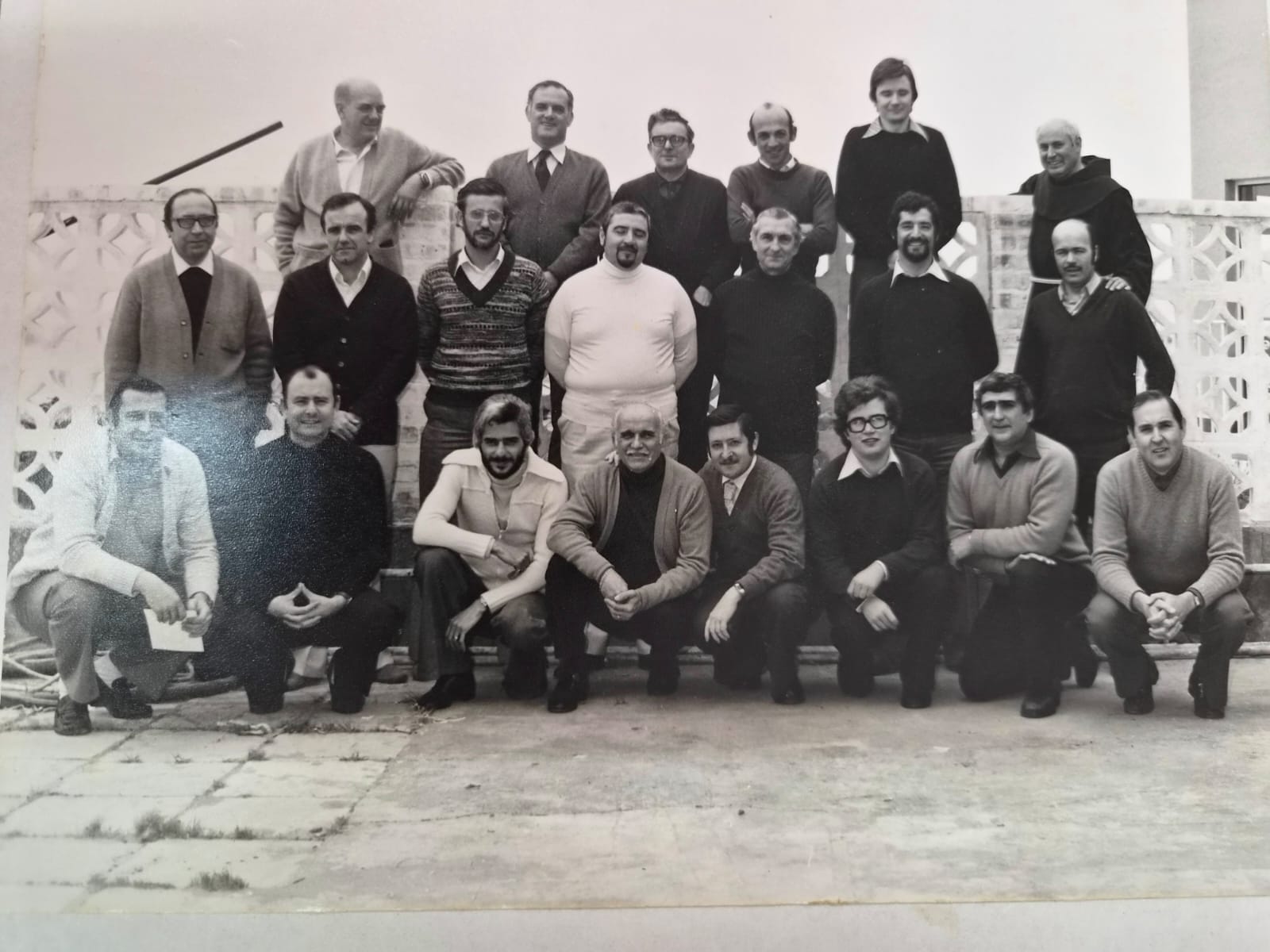
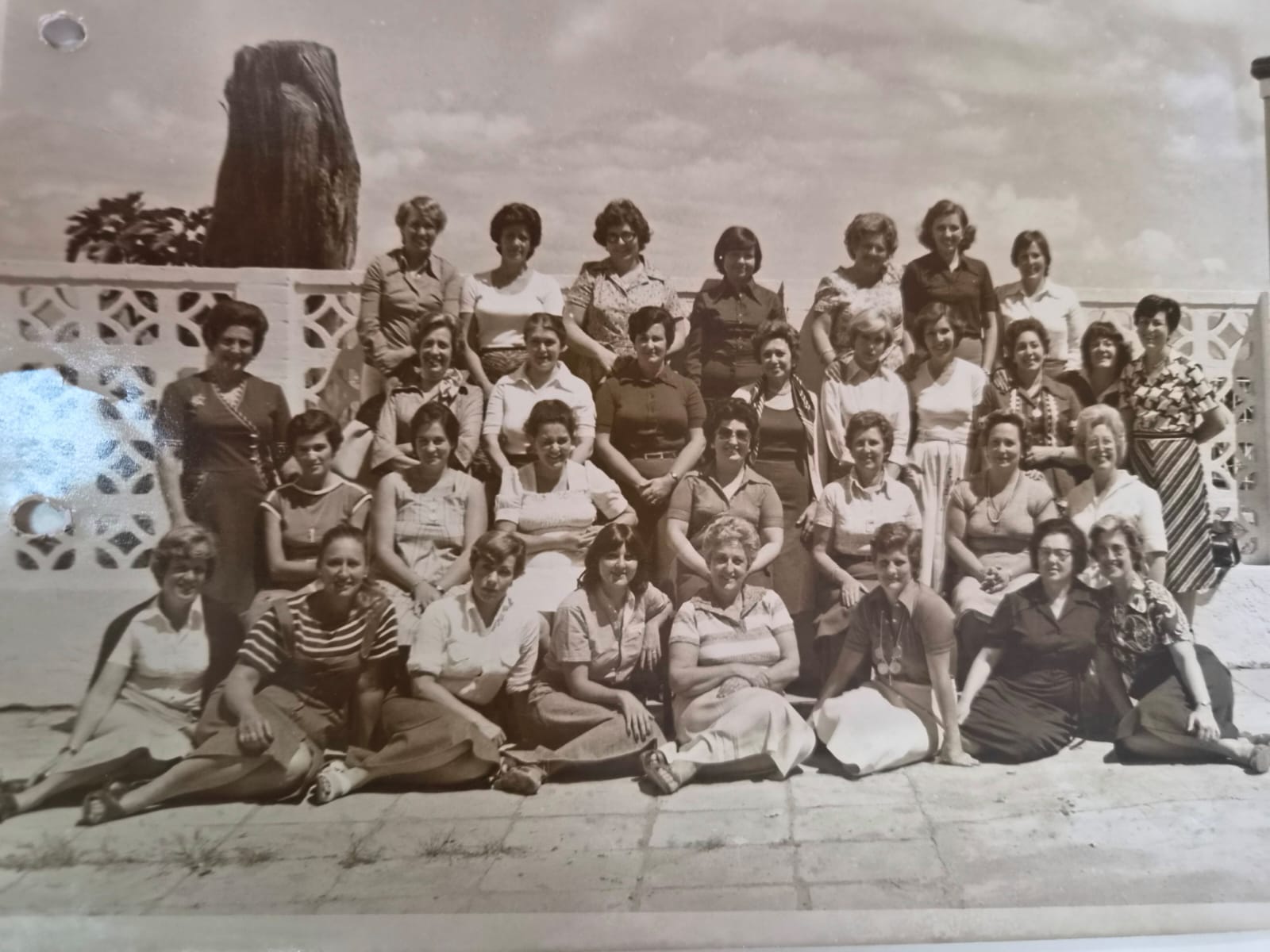
What had begun with thirteen people was becoming a living Christian community, sustained by friendship, prayer and the commitment of those who had discovered a new way of living their faith.
Over the years, thousands of people took part in Cursillos held in Gibraltar. Although the rhythm of activity changed, the Movement maintained its desire to continue offering this experience of encounter with Christ.
Gibraltar opens its doors to Europe
The history of the Cursillo Movement in Gibraltar did not remain confined to its own diocese.
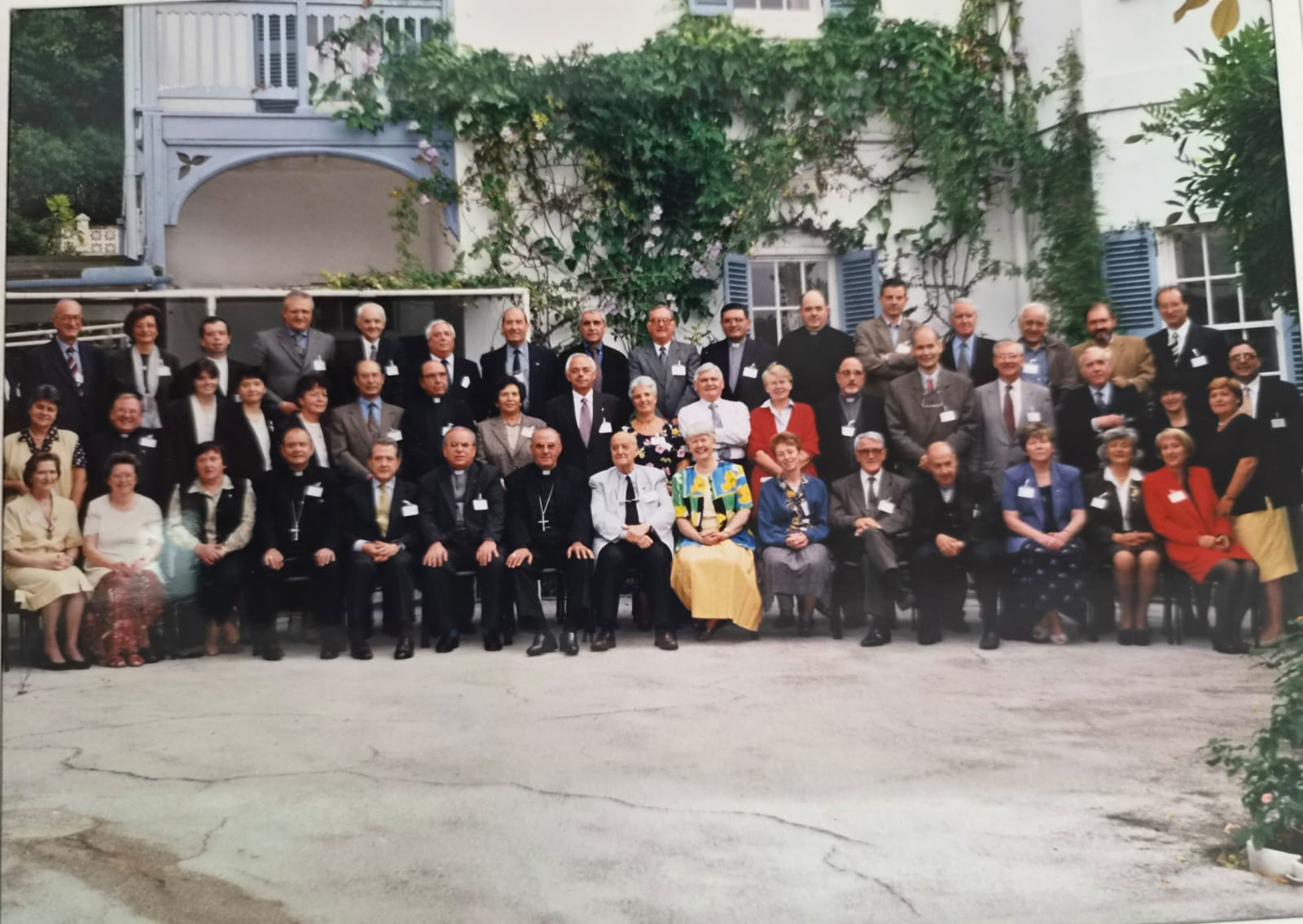
Its geographical position, its relationship with communities in different countries and the experience gained over decades encouraged active participation in the Movement’s international dimension.
Between 2006 and 2010, Gibraltar held the presidency of the European Group of Cursillos in Christianity (GECC), with Francis Napoli leading that service.
For a geographically small community, this responsibility was an opportunity to contribute to communion, the exchange of experiences and the coordination of the Movement in Europe.
But Gibraltar’s international outreach did not stop at the borders of Europe.
From Gibraltar to South Africa: sharing what had been received
In June 2009, Cursillistas from Gibraltar and Ireland worked together to introduce the Cursillo Movement in Durban, South Africa.
The initiative brought together people from different countries who shared the same desire: to offer others the experience that had transformed their own lives.
The first Cursillos were held at the Living Waters centre, with thirty-three people taking part. Francis Napoli served as rector in that founding experience.
Among the memories of that encounter, one scene is especially meaningful: the farewell at the airport, where the new South African Cursillistas sang De Colores in Spanish.
It was a simple but expressive image. People of different cultures, languages and backgrounds shared the same experience of faith and friendship.
Gibraltar, which decades earlier had received help from Cursillistas elsewhere to begin its first Cursillos, was now taking part in the birth of the Movement in another country.
The seed that had been received continued to bear fruit.
A vision that continued to reach Africa
That experience was not an isolated event.
In 2014, Francis Napoli also participated in initiatives to introduce the Movement in Uganda, particularly in the areas of Tororo and Jinja.
Gibraltar’s international journey thus showed continuity between its own origins and its later missionary commitment.
First, Cursillistas from Málaga and Tetouan shared their experience with a group of men from Gibraltar. Then leaders from Tangier came to help hold the first Cursillos. Years later, Gibraltar’s own Cursillistas worked so that the Movement could begin in other lands.
A story of encounters that kept opening new paths.
A story that invites us to keep moving forward
As in many communities within the Movement, the passage of time has brought new challenges. Participation has changed, social and ecclesial circumstances are different, and evangelisation continually calls for renewed enthusiasm and a renewed ability to reach people.
Yet Gibraltar’s history preserves a lesson that remains relevant.
A small group of men returned from a Cursillo with the desire to share what they had discovered. They waited for years, overcame difficulties, found the help of other Cursillistas and enabled that experience to take root in their community.
That same community was then able to look beyond its own borders.
For the history of the Cursillo Movement is not built only on dates, numbers or events. Above all, it is built by people who discover Christ and understand that this experience cannot remain locked within themselves.
The greatness of a Christian community is not measured by the territory it occupies, but by its capacity to live and share the Gospel.
From that small corner of the Mediterranean, Gibraltar reminds us that a community which has received much can also have much to offer the world.