 To speak of the history of the Cursillos in Christianity Movement in Puerto Rico is to speak of one of the most fruitful and luminous chapters in the spread of the Cursillo charism throughout the world. It is to contemplate how a small seed born in Mallorca crossed the ocean and found soil ready to bear abundant fruit.
It all began in the Archdiocese of San Juan, Puerto Rico, in November 1961. That month, a team of leaders from Mallorca arrived on the island, led by the Mallorcan priest Jaime Capó Bosch, brother of Juan Capó Bosch, who had been the spiritual director of the first numbered Cursillo de Cristiandad held in Mallorca in January 1949.
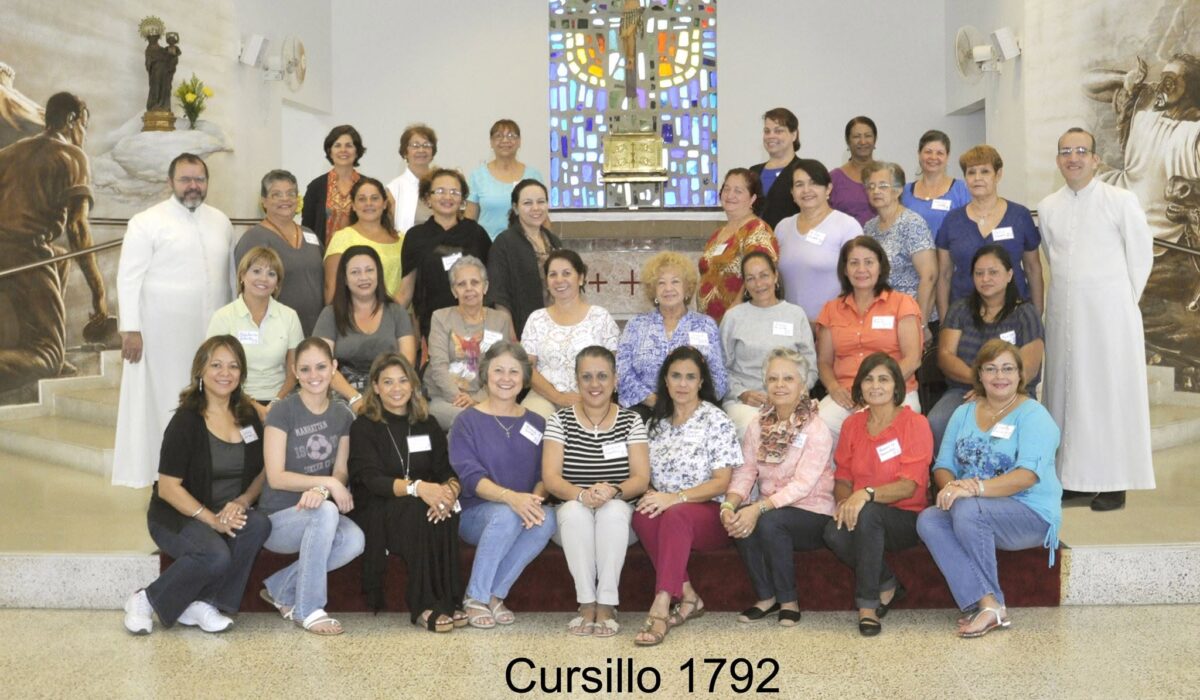
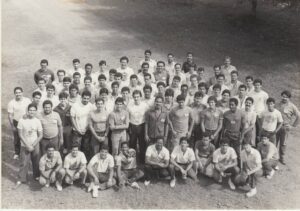
The Movement’s arrival in Puerto Rico was no ordinary event. From the very beginning, it was clear that something special was happening. Between November 2 and 5, 1961, the island’s first Cursillo de Cristiandad was held at the Casa del Buen Pastor. That first Cursillo was followed by four others in just a few weeks. The enthusiasm generated was so great that, before the month was out, the Secretariat had already been established, the School of Leaders had begun, and the first Ultreya had been held.
The Mallorcan team then returned home with the satisfaction of a mission accomplished. But the most important part was just beginning. The Puerto Rican leaders took on the responsibility of the Movement with contagious enthusiasm and admirable dedication. The first Cursillistas, transformed by the experience they had lived, began to radiate in their environments the joy of encountering Christ.
That society responded with unexpected strength. Requests to hold the Cursillo grew constantly, and soon a problem arose that was, in reality, a blessing: there was not enough space to accommodate all the people who wished to live the experience.
A Dream Called the Cursillo House
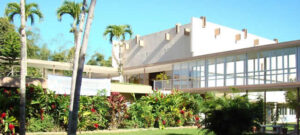 Faced with that reality, a dream that seemed impossible began to take shape: to build a Cursillo House of their own.
The leaders understood that good intentions were not enough. It was necessary to organize, study, delve deeper into the mindset and method of the Movement, and take on a responsibility that far exceeded their human capabilities.
The first step was to secure the support of the Archbishop of San Juan, Most Rev. James Peter Davis. The prelate welcomed the initiative and encouraged the laity to move forward with it, on the condition that they themselves assume the financial and legal responsibility for the project.
The second step was to find the right location. Providence once again made itself known when Francisco “Kico” Castro generously provided the land where the future House would be built.
The third step was to mobilize the entire Cursillo community. Words were no longer enough. It was necessary to work, make sacrifices, and commit. The Cursillistas responded generously. What began as a dream became a concrete project when Ico Montilla presented the first sketches of the future House.
By the end of 1962, construction was already underway. What seemed like an impossible undertaking became a reality thanks to the faith, unity, and enthusiasm of those men and women who believed that God could do much more than they themselves could imagine.
The Cursillo House was blessed in mid-1964, after being built in less than a year and a half. That physical structure soon became much more than a building. It became a true spiritual home for thousands of people and a center for evangelization open to movements, associations, and groups from throughout the Puerto Rican Church.
Jaime Capó: Priest, Apostle, and Cursillista
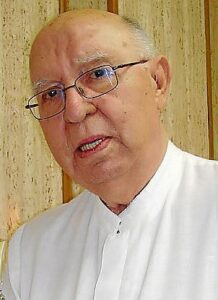 The history of Cursillos in Puerto Rico cannot be understood without the figure of Jaime Capó Bosch.
A priest deeply in love with the Gospel and the charism of Cursillos, he accompanied the Movement from its beginnings on the island and remained as spiritual advisor until his death. His dedication was extraordinary. He is recognized as the priest who led the most Cursillos de Cristiandad throughout his life.
But perhaps his most important legacy was not the number of Cursillos he conducted, but the spiritual mark he left on generations of leaders and Cursillistas. He knew how to faithfully convey the Movement’s original spirit, centered on friendship, a personal encounter with Christ, and the evangelical transformation of communities.
His life perfectly reflects that phrase which has become forever linked to his memory:
“Jaime Capó Bosch embodies the spirit of those who, through their dedication, made possible what seemed to exceed the limits of prudence.”
A story that continues
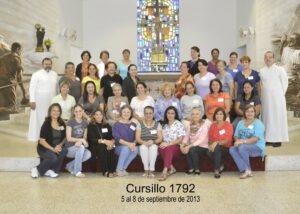 More than six decades after that November of 1961, the Cursillos in Christianity Movement remains a living reality in Puerto Rico.
It is currently present in six dioceses on the island and maintains active secretariats in several of them. The Archdiocese of San Juan holds a unique place in the global history of the Movement. With more than 1,825 Cursillos held, it is considered the diocese where the most Cursillos de Cristiandad have been held in the world.
However, the true greatness of this story is not measured by the number of Cursillos or the size of its structures. It is measured by the thousands of people who have discovered that God loves them, by the friendships born in the warmth of an Ultreya, by the environments silently transformed, and by the countless lives renewed by grace.
The history of the MCC in Puerto Rico is, in short, the story of a community that believed in the power of the Gospel. A story written by priests, leaders, and Cursillistas who knew how to say “yes” to God and set out on the journey.
And like every authentic Cursillo story, it does not belong solely to the past. It continues to be written every day wherever a man or woman discovers that Christ is counting on them, that friendship can change the world, and that it is always possible to live—and spread—the joy of being a Christian.
De Colores.